Moringa: Nature’s Miracle Plant
Moringa, often referred to as the “Miracle Tree” or “Drumstick Tree,” has earned its reputation as one of the most nutrient-dense plants on earth. Originating from the foothills of the Himalayas, Moringa oleifera is now cultivated worldwide for its exceptional health benefits and versatility. This article delves into the introduction, benefits, and recommended dosages of moringa to help you understand why it’s a must-have in your wellness routine.

Introduction to Moringa
Moringa oleifera is a fast-growing, drought-resistant tree native to India and parts of Africa. Its leaves, pods, seeds, and even roots are edible and packed with nutrients. The leaves are particularly celebrated for their rich concentration of vitamins, minerals, antioxidants, and amino acids. Moringa is commonly consumed in powdered form, capsules, teas, or as fresh leaves in salads and dishes.
Nicknamed the “Tree of Life,” moringa has been used for centuries in traditional medicine to treat various ailments, from inflammation to malnutrition. Its wide-ranging applications have made it a staple in natural health remedies.
Benefits of Moringa
1. Rich Nutritional Profile
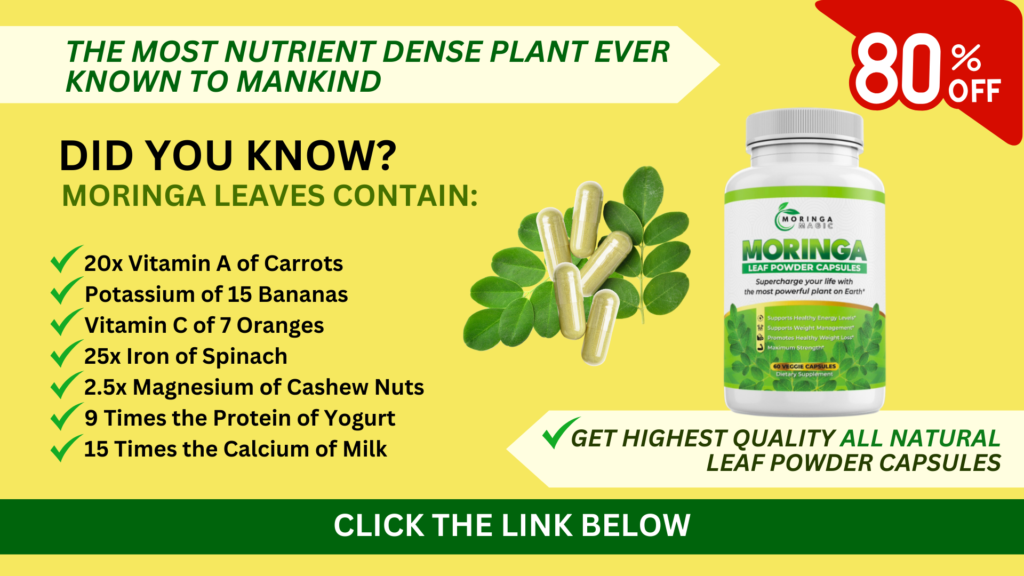
Moringa leaves are packed with essential nutrients, including:
- Vitamin A: Supports vision and immunity.
- Vitamin C: Boosts immune function and collagen production.
- Calcium and Iron: Promote bone health and prevent anemia.
- Protein: Contains all nine essential amino acids, making it a plant-based protein source.
2. Powerful Antioxidants
Moringa contains antioxidants like quercetin and chlorogenic acid, which help neutralize harmful free radicals in the body. This action reduces oxidative stress, lowers the risk of chronic diseases, and promotes overall cellular health.
3. Anti-Inflammatory Properties
Compounds in moringa, such as isothiocyanates, have anti-inflammatory effects. They can help reduce inflammation linked to arthritis, heart disease, and other conditions.
4. Supports Blood Sugar Regulation
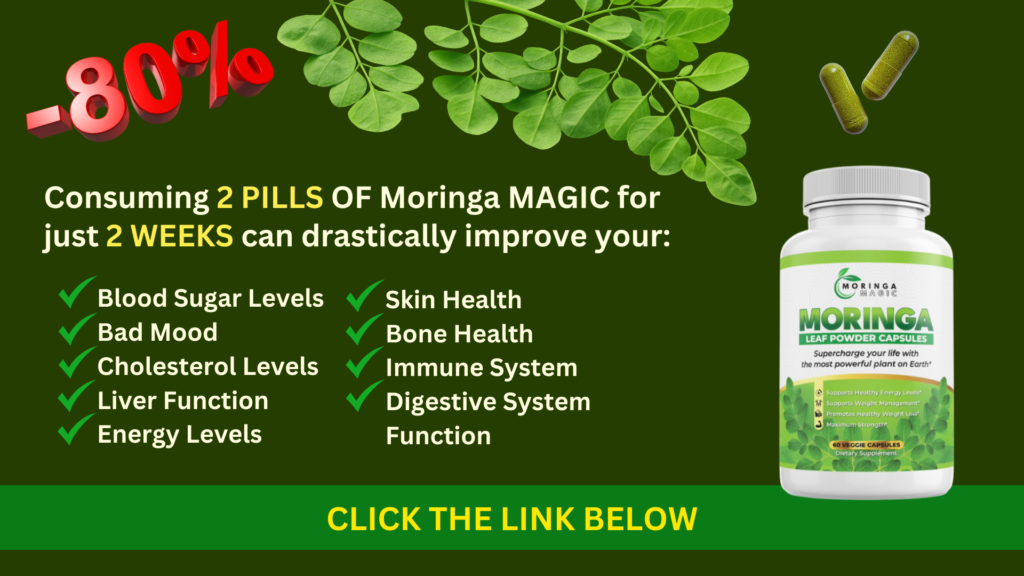
Studies suggest that moringa can lower blood sugar levels by improving insulin sensitivity, making it beneficial for people with diabetes or those at risk of developing the condition.
5. Promotes Healthy Skin and Hair
Rich in vitamins A and E, moringa supports skin elasticity and hair health. Its antibacterial properties can also help combat acne and other skin issues.
6. Boosts Energy and Mental Clarity
Moringa provides a natural energy boost without caffeine, enhancing focus and reducing fatigue.
7. Supports Heart Health
The plant’s potassium content and antioxidant activity contribute to healthy blood pressure and cholesterol levels, promoting cardiovascular health.
Usage and Recommended Dosage
Moringa is available in various forms, including fresh leaves, powder, capsules, and tea. Here’s how to incorporate it into your daily routine:
Daily Dosage Guidelines
- Fresh Leaves: 50–100 grams (used in salads or cooked).
- Powder: 1–2 teaspoons (4–8 grams), mixed with water, smoothies, or sprinkled on food.
- Capsules: 1–2 capsules (500 mg each) per day, or as directed by a healthcare provider.
- Tea: 1–2 cups daily, prepared with dried leaves or pre-packaged tea bags.
Usage Tips
- Start with a smaller dose to allow your body to adjust. Gradually increase based on your tolerance and desired effects.
- For specific health conditions, consult a healthcare professional before beginning supplementation.
- Moringa powder can be added to soups, curries, or baked goods for a nutrient boost.